Project Overview
Client Background
My client is a researcher at a university in Canada who plans to use this project for research purposes and as a source of income. He wants to improve remote workspaces using soundscapes and various cognitive techniques, utilizing connections in the research market to monetize aggregate data.
Client Requirements
To design a mobile app using sound to destress remote workers and increase productivity. The app collects data with full user consent and absolute privacy to sell anonymous insights to research centers and universities, with a subscription model for future expansion.
Problem Statement
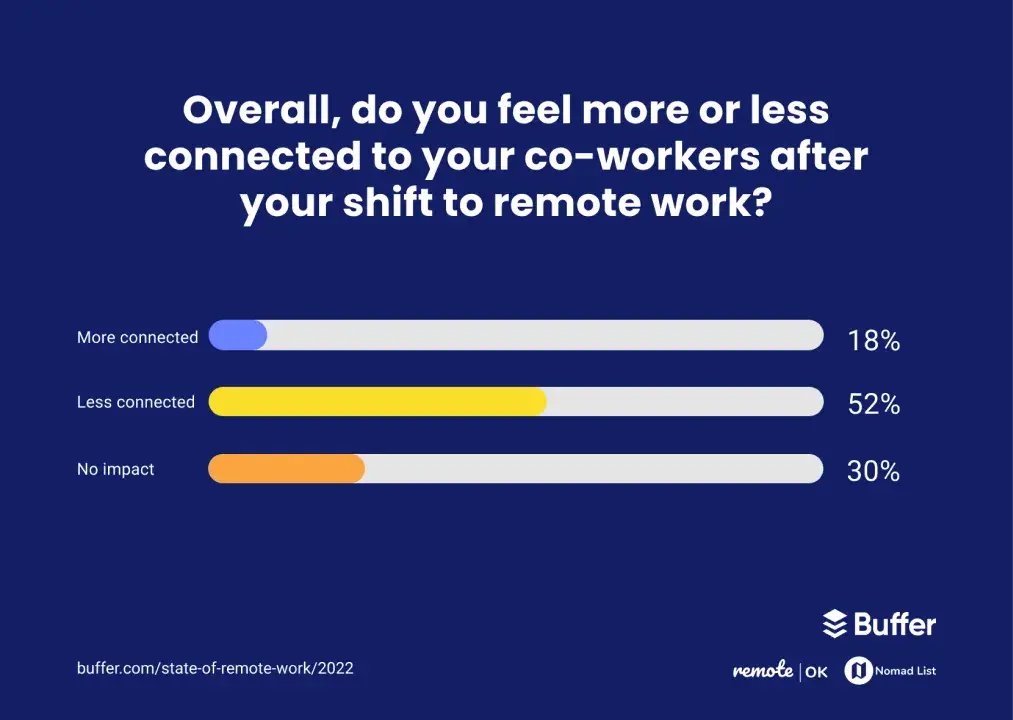
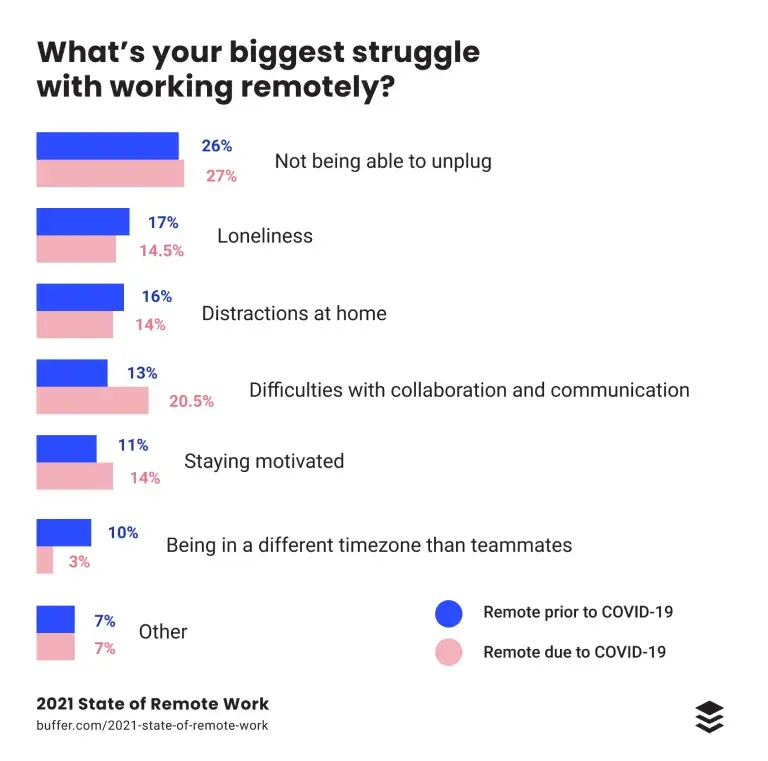
Leaders want to address remote worker disconnection and sync teams to be happier and more productive. However, remote workers face social isolation and loneliness, reducing creativity and increasing turnover.
Project & Business Goals
- Acquire enough active users to test and refine AI sound models.
- Ensure long-term user retention through engaging daily routines.
- Form enterprise partnerships with large remote-first teams.
- Ensure high usability and delightful user journeys.
Core Hypotheses
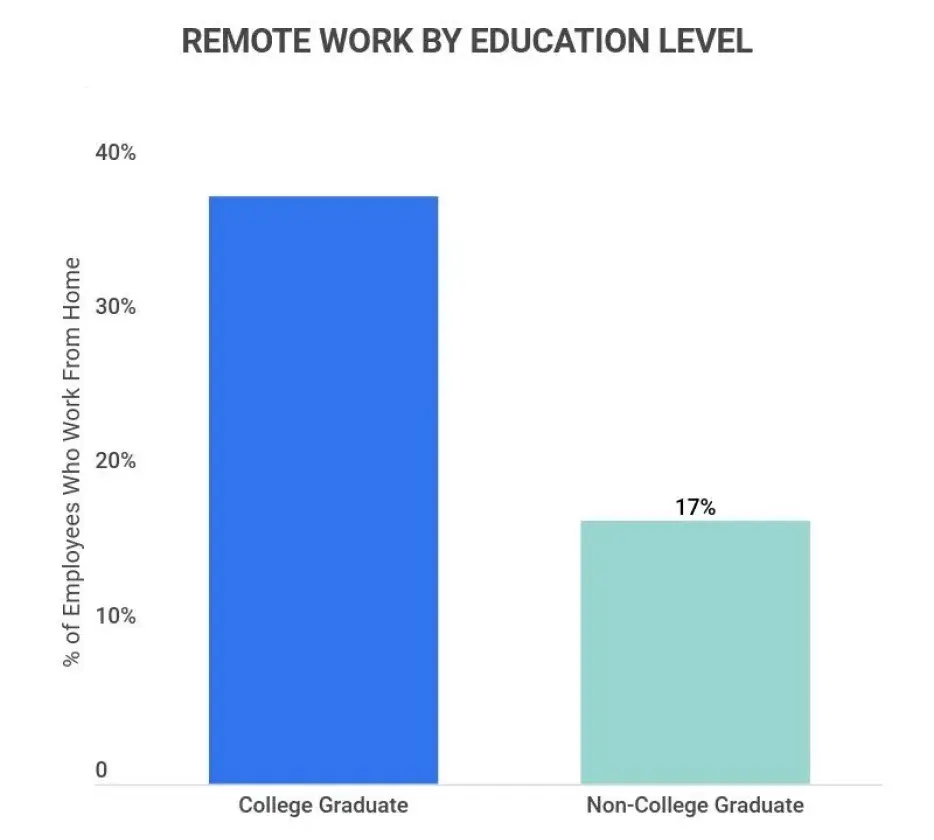
- Remote workers experience workplace disconnection frequently.
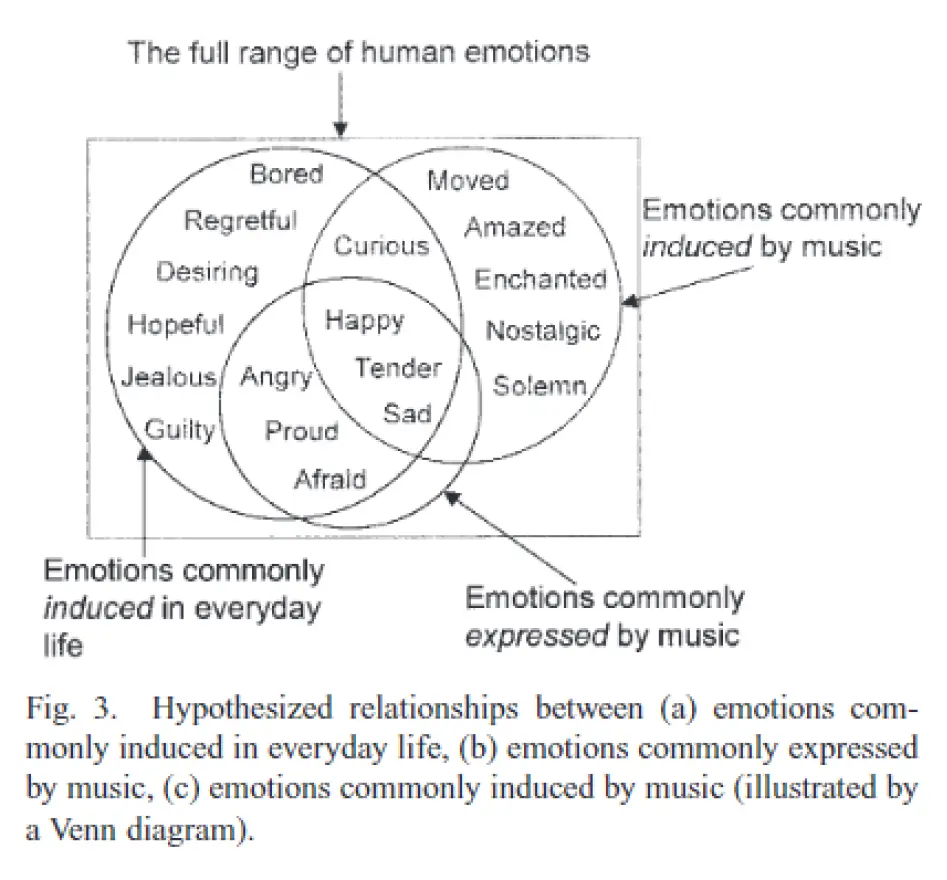
- Listening to music or soundscapes alleviates workplace stress.
- Functional music increases productivity and output quality.
- Users are willing to listen to scientific soundscapes if proven to reduce stress.
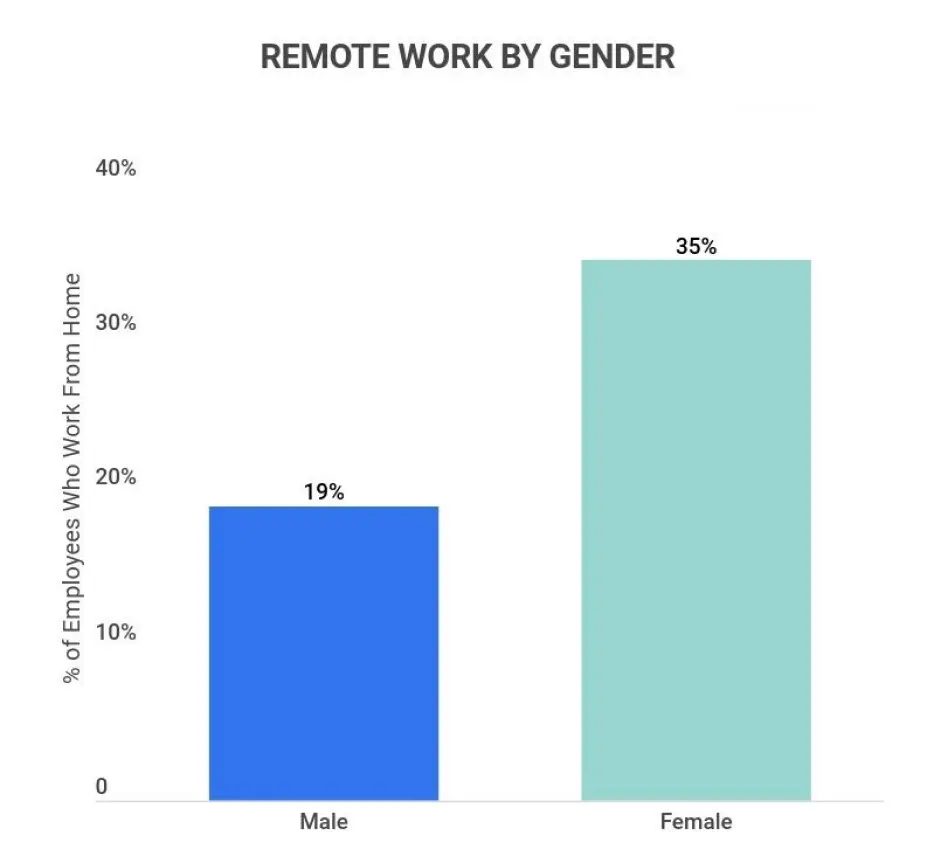
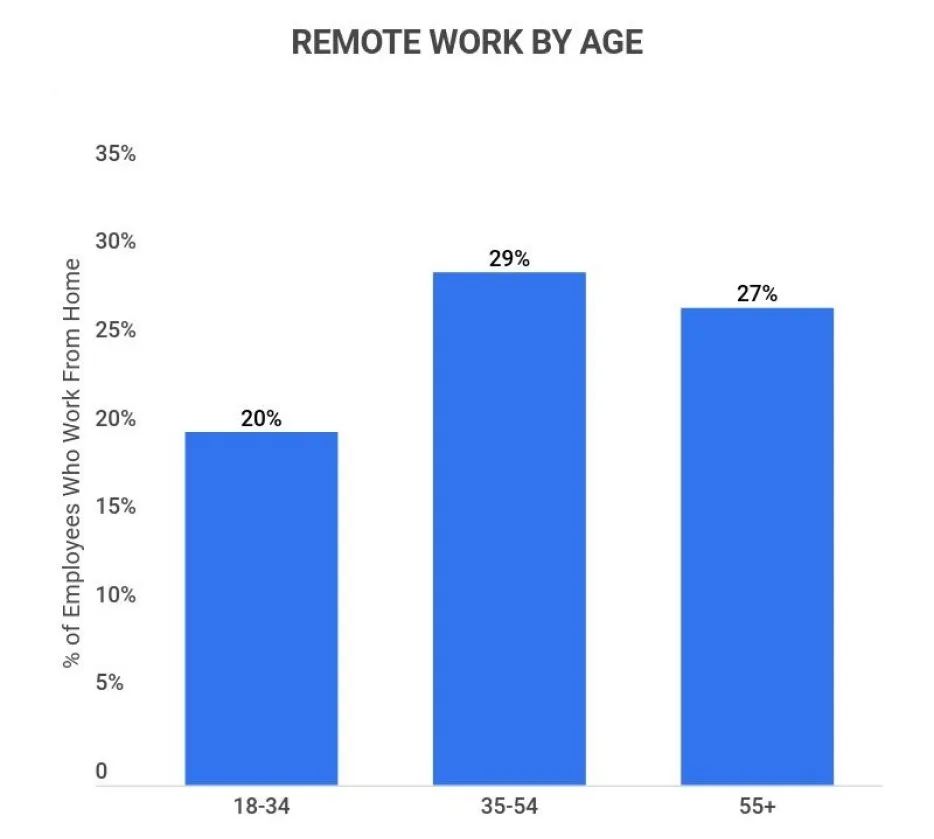
- The primary audience consists of tech-savvy youth aged 25-40 who work remotely.
The Research Plan
| Method | Type | Related Hypotheses | Why |
|---|---|---|---|
| Competitor Analysis | Exploratory | N/A | To check competitor products and identify features to learn from. |
| Literature Review (Online) | Exploratory | Disconnection & Target Audience | Accelerates findings using credible existing data pools since timelines were compressed. |
| Literature Review (Papers) | Exploratory | Sound relief & productivity boost | Provides scientifically supported backing for the music and productivity thesis. |
| User Interviews | Exploratory | Willingness to listen to non-music soundscapes | Verifies if remote users are open to utilizing scientific audio tools and best delivery channels. |
Competitor Analysis
| Metric | Calm | Headspace | Mindfi |
|---|---|---|---|
| Primary Audience | General users seeking relaxation. | General mindfulness seekers. | Young professionals and office teams. |
| Customer Reviews | PlayStore 4.1 / AppStore 4.8. Easy to use, rich library. | PlayStore 3.3 / AppStore 4.8. Structured content courses. | PlayStore 4.0 / AppStore 4.7. Good mood suggestions. |
| USPs | Sleep stories & breathing metrics. | SOS mini-sessions, guided tasks. | AI-powered tracking, customized ambient feeds. |
| Strengths | Very clean UI, massive audio asset catalog. | Easy to follow for beginners. | Personalized scheduling and mood metrics. |
| Weaknesses | High subscription cost. | Limited free content. | Smaller library catalog. |
Literature Review
Key Findings
- Remote Isolation: 80% of remote workers would consider leaving their job for one focused on mental health benefits.
- Music Therapy: Stanford researchers note that listening to structured soundscapes changes brain waves as effectively as standard medication.
- Productivity Spikes: Mindlab International experiments show 88% of users work with higher accuracy, and 81% complete tasks quicker under correct soundscapes.
User Interviews
Interview Insights
I interviewed 5 participants (4 US-based, 1 Egypt-based) representing remote workers, team managers, and consultants. Major findings include:
- Some team members find loud lyrics highly distracting. Instrumental beats are preferred.
- Reminders for simple breathing breaks improve work endurance.
- Shared playlists help virtual teams bond.
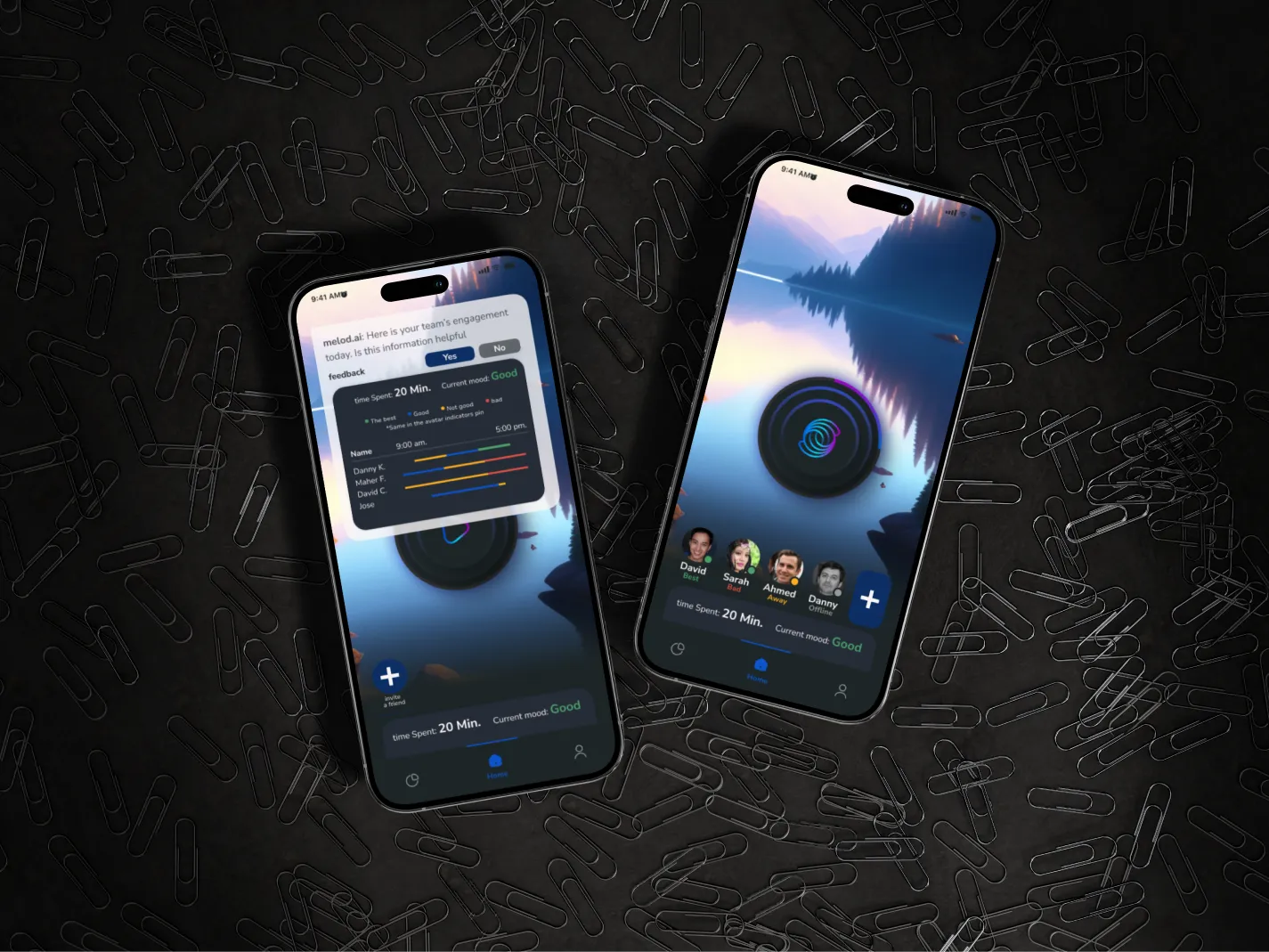
- Integrating features into Slack/Teams avoids dashboard fatigue.
Introductory Script Used
"Hi, my name is Maher Fayad, and I am a Product Designer. Thank you for participating in this interview. The goal is to learn more about remote workplaces, to help design an app that enhances remote worker productivity and connection..."
Usability Testing
We selected the 4 primary user tasks inside the prototype and measured completion metrics (clicks, attempts, success rates) across users.
| Task | Clicks | Attempts | Success | Avg Time |
|---|---|---|---|---|
| User Onboarding & Signup | 2 Clicks | 1 Attempt | 100% | 5s |
| Trigger Soundscape Session | 1 Click | 1 Attempt | 100% | 3s |
| Complete Conversational Survey | 10 Clicks | 1 Attempt | 100% | 40s |
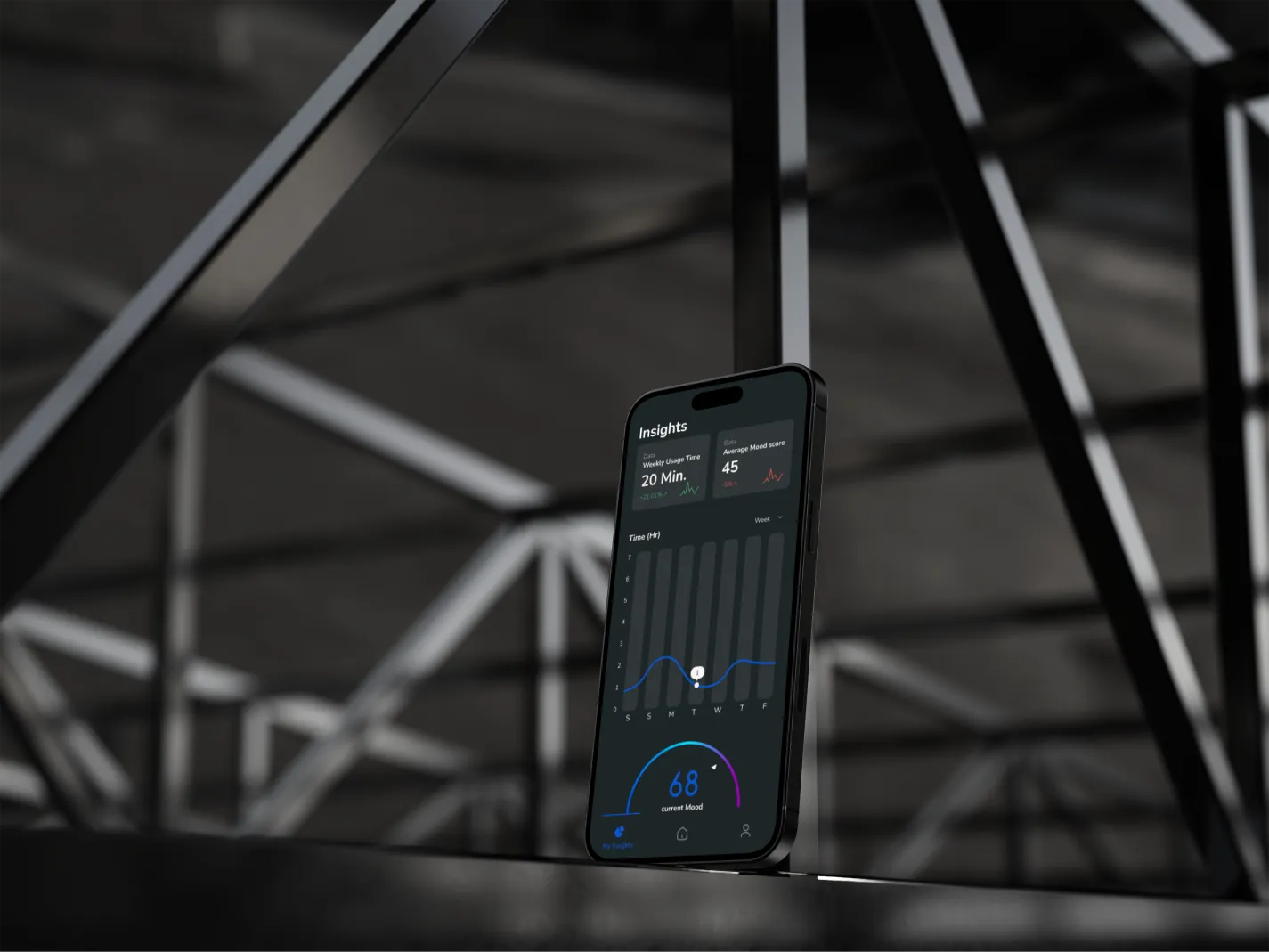
| View Insights / Team Analytics | 1 Click | 1 Attempt | 100% | 10s |
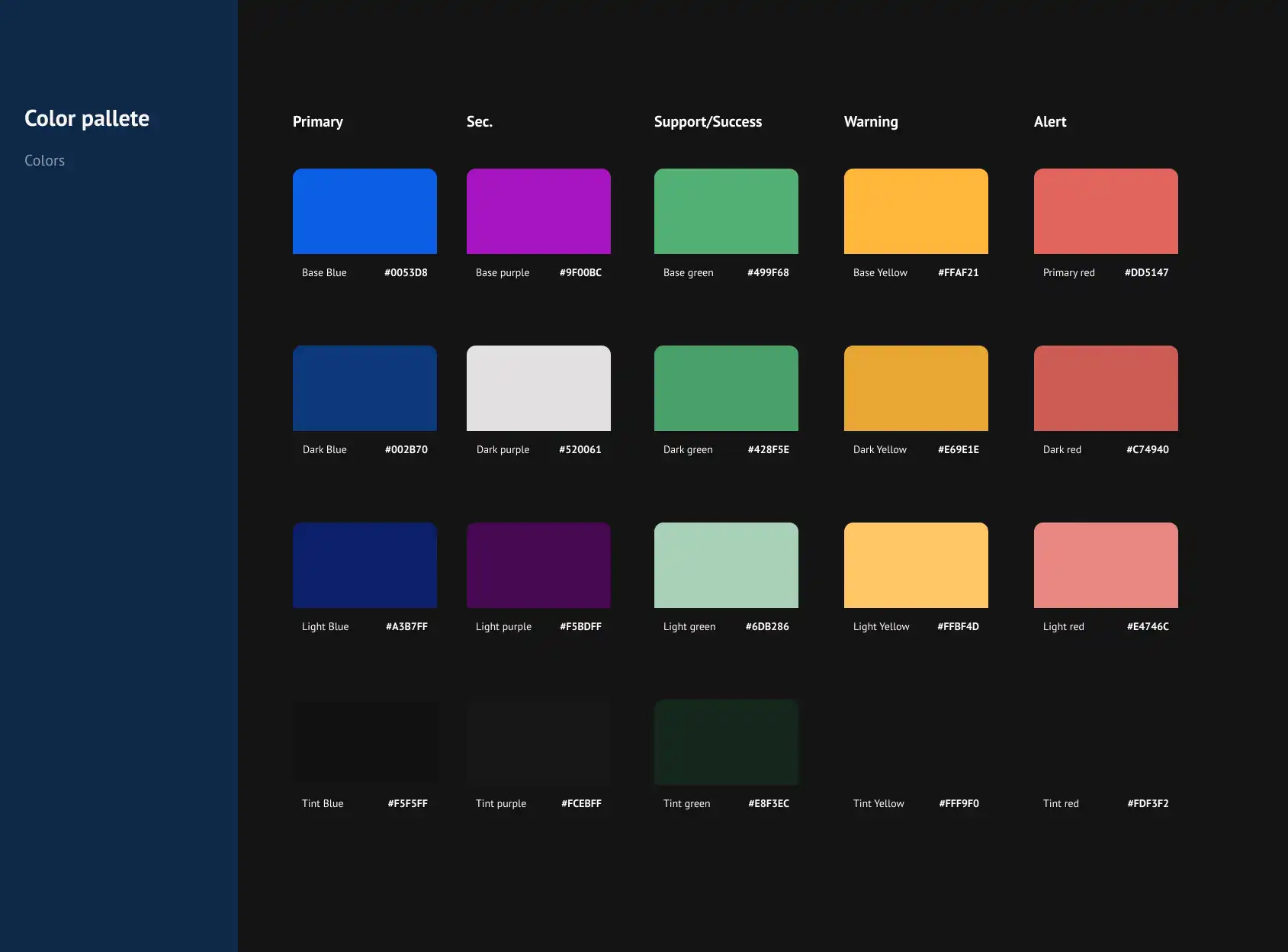
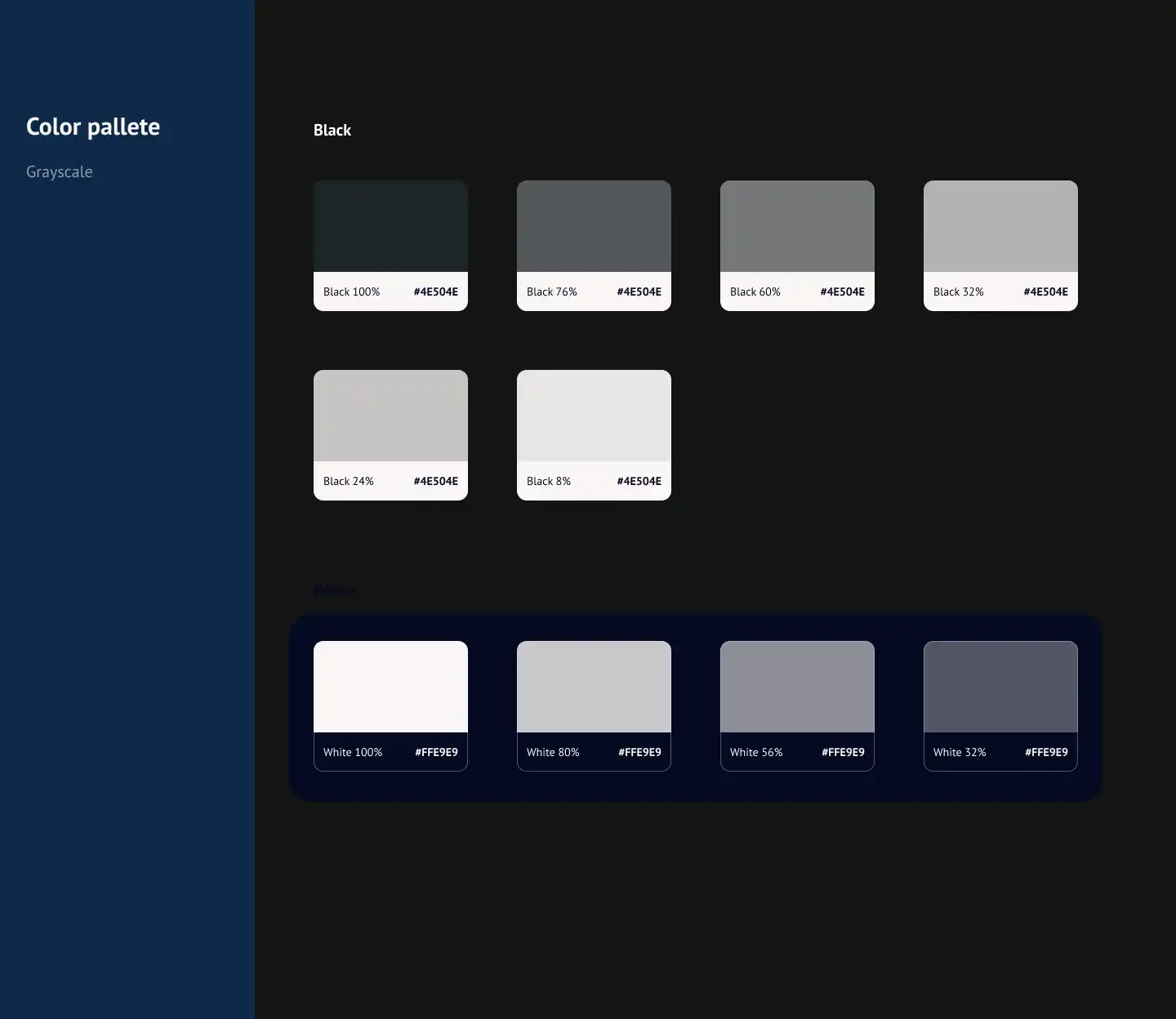
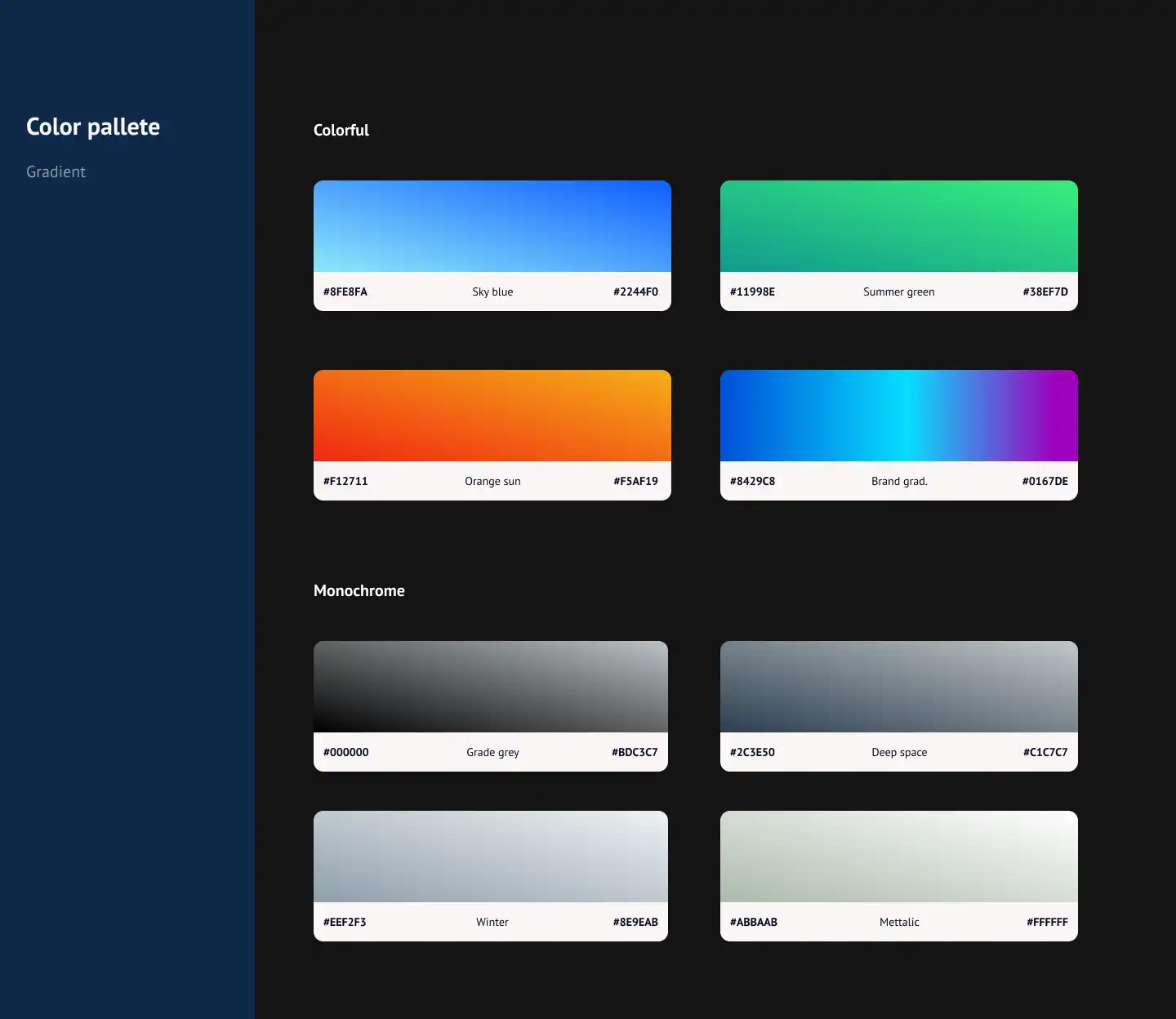
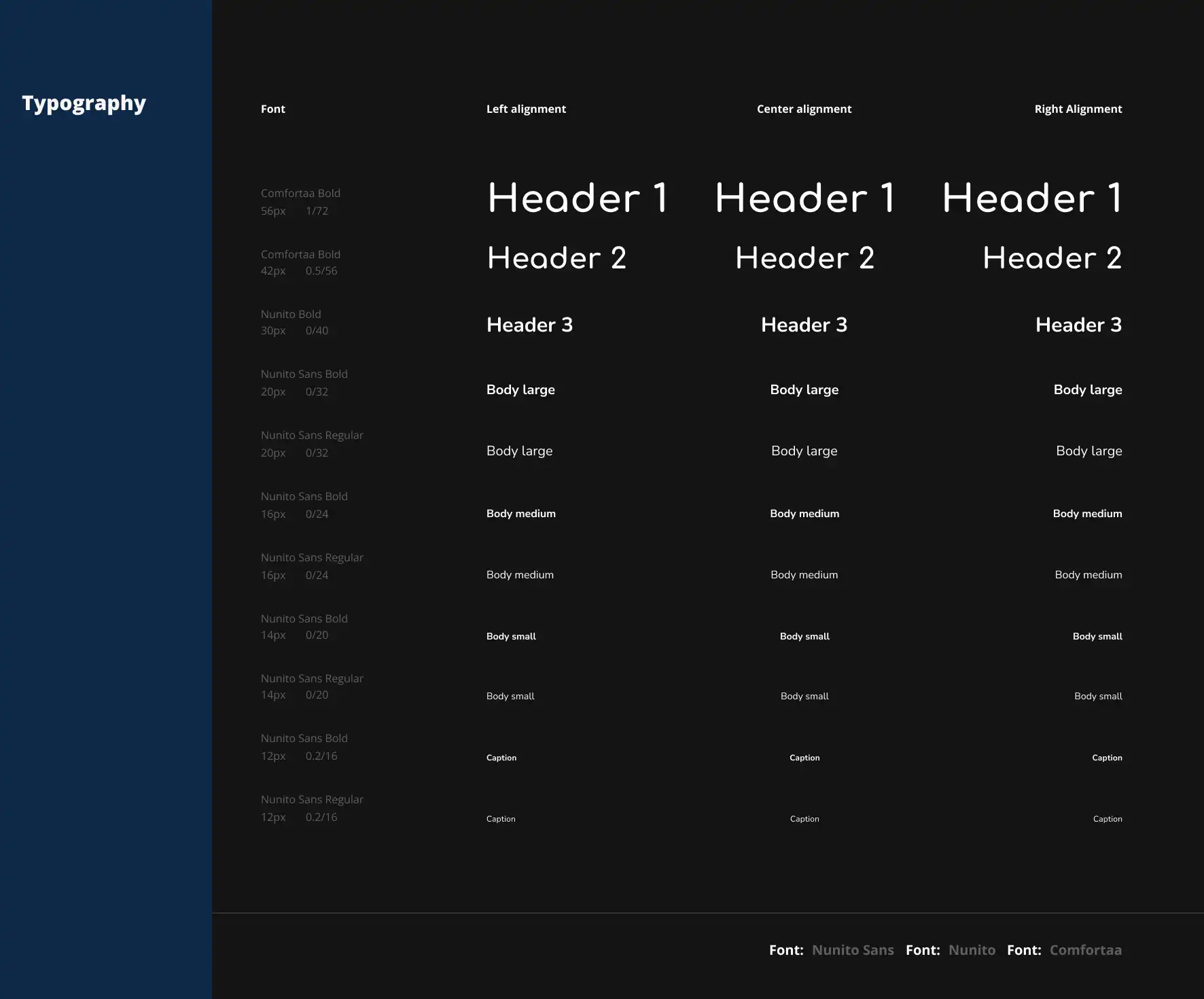
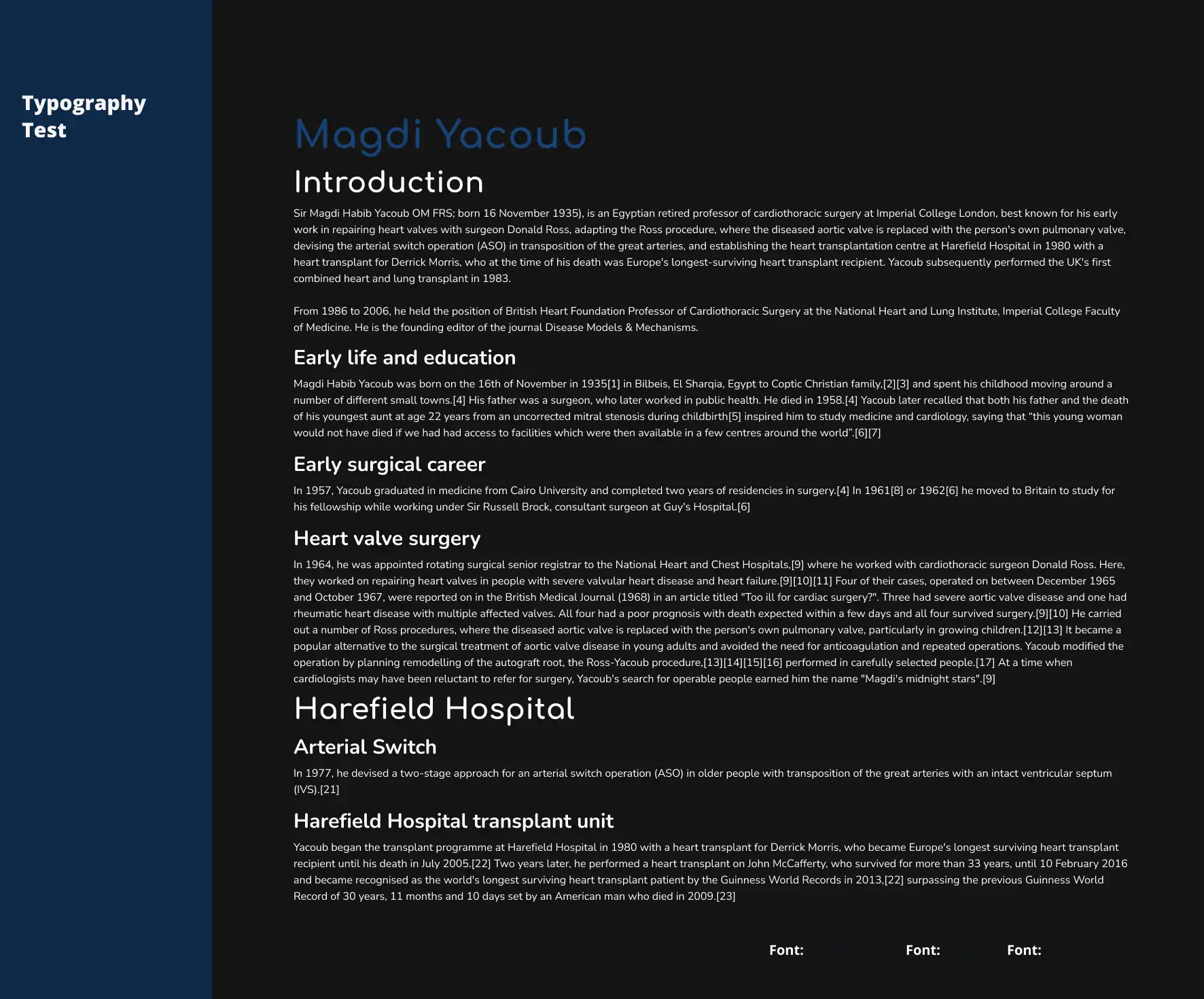
Style Guide
UI Design